
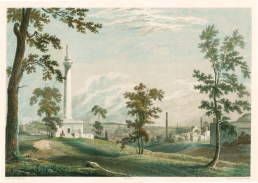
Baltimore’s Washington Monument was the first major monument to George Washington designed and constructed in the United States.
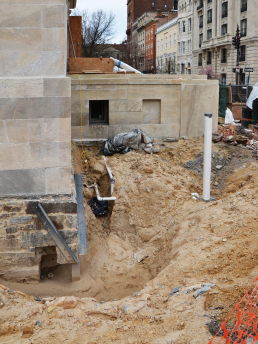
The cornerstone of the monument was laid on July 4, 1815 on the northeast corner of the monument’s foundation, below grade.
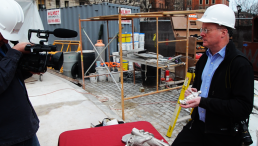
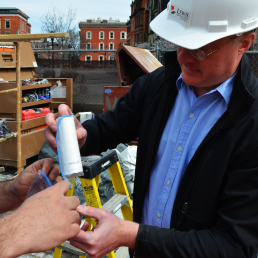
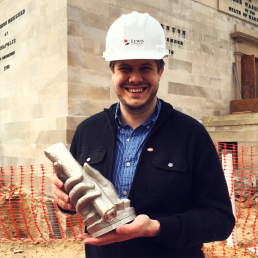
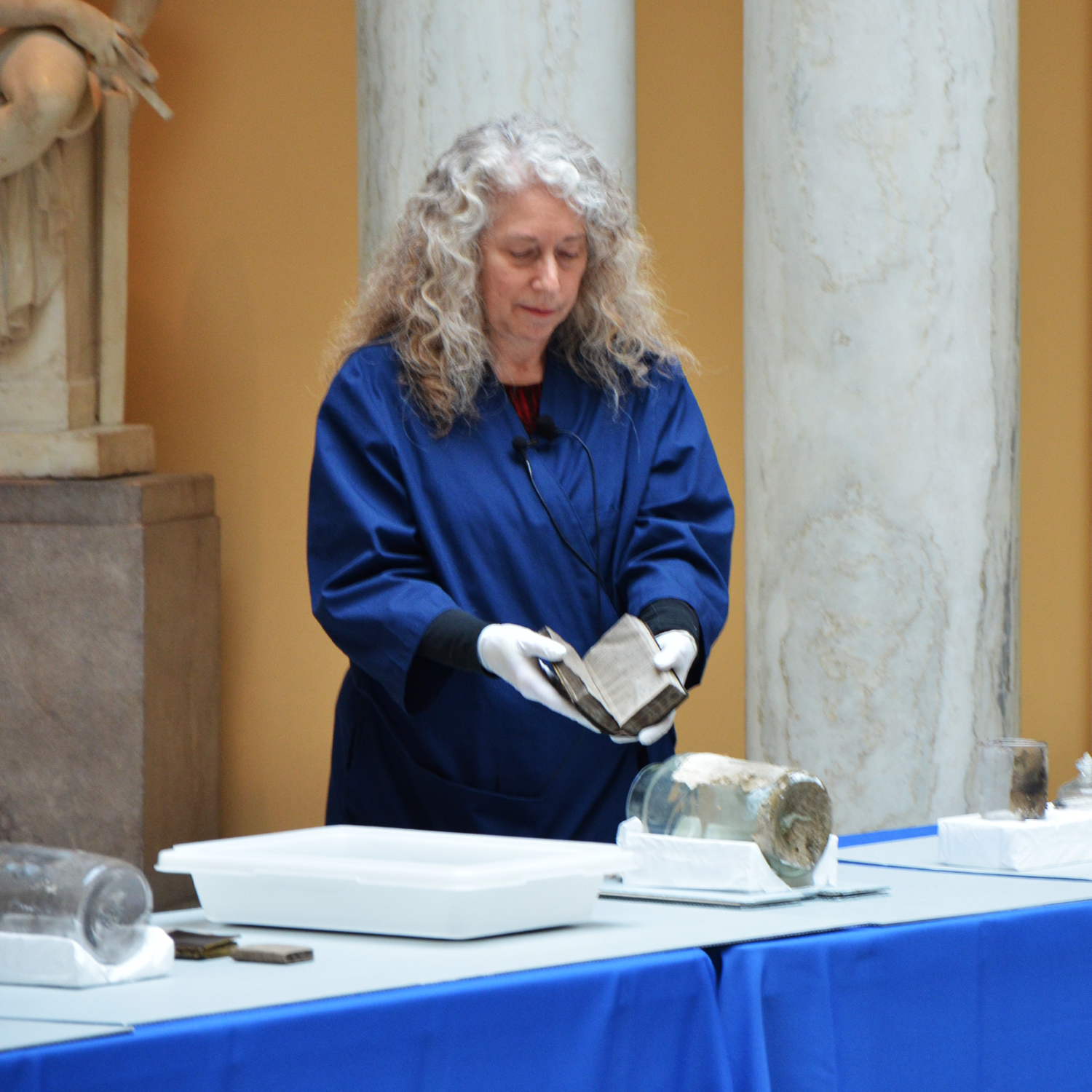
In 2014-15 the Mount Vernon Place Conservancy restored the Washington Monument in preparation for its bicentennial on July 4, 2015. George Wilk II of Lewis Contractors, the company managing the project, found this cornerstone while a crew was installing a sewage tank pit. Although the conservancy knew about the 1815 cornerstone laying ceremony from historic accounts, we did not know its location. We removed and opened the cornerstone on February 18, 2015.
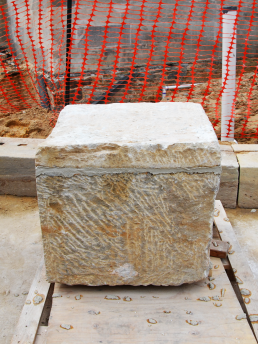
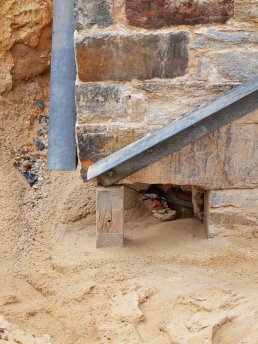
The 200-year-old cornerstone contained a well covered by a carved marble lid bearing the names of the monument’s stone cutters and mason.
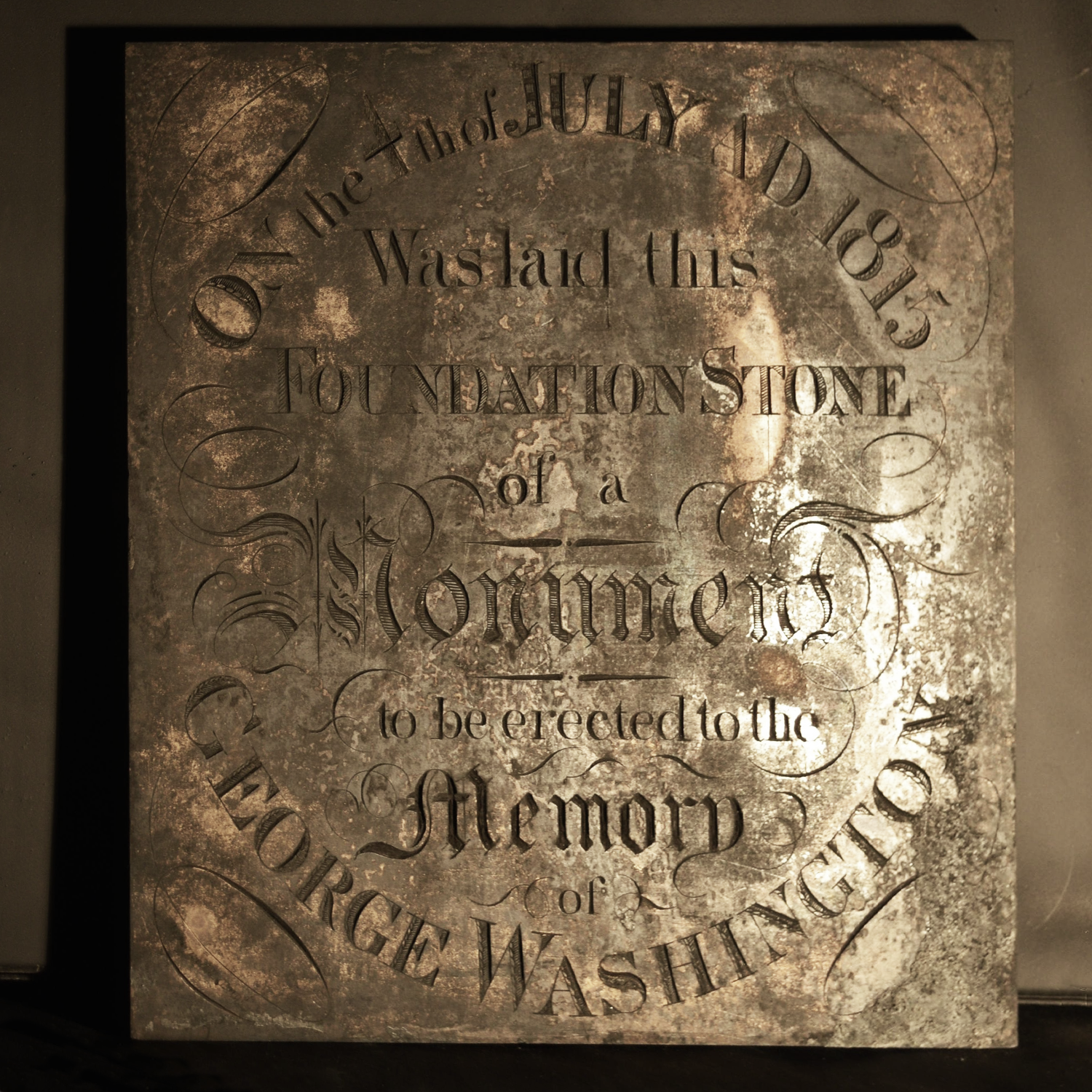
Inside the well were three jars and a brass plate, stamped by caster Ebenezer Hubball and signed by engraver William H. Freeman, commemorating the laying of the Washington Monument foundation stone on July 4, 1815.
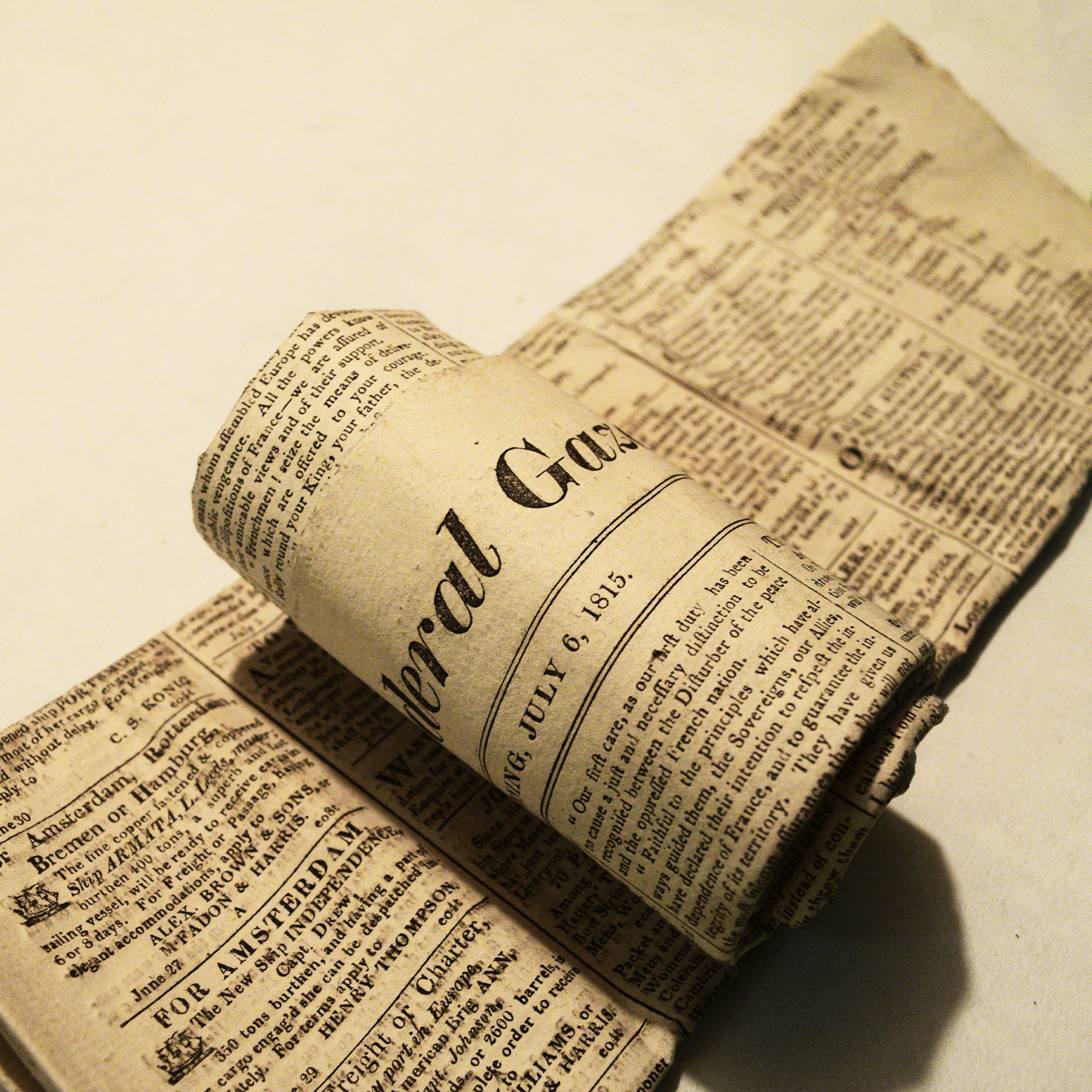
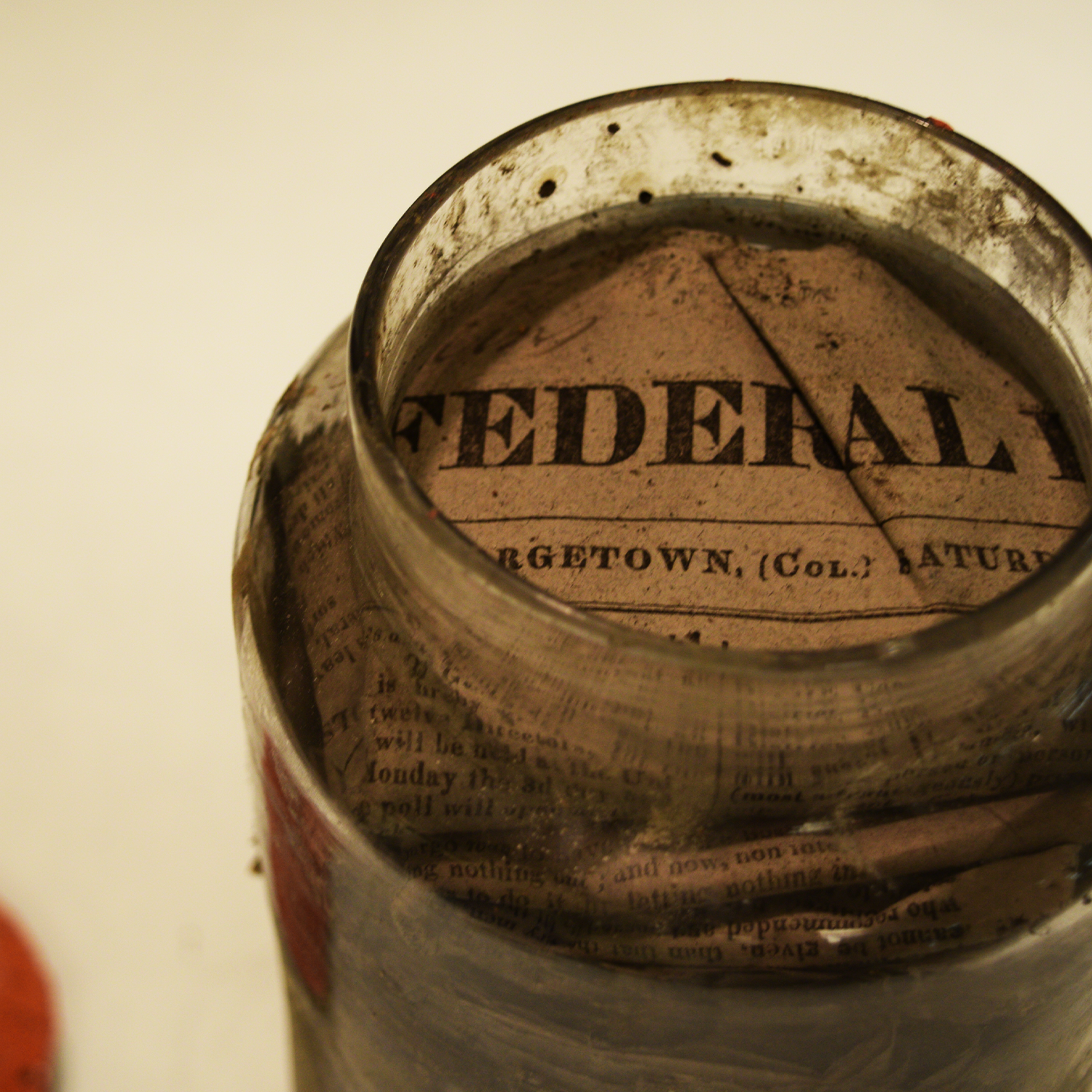
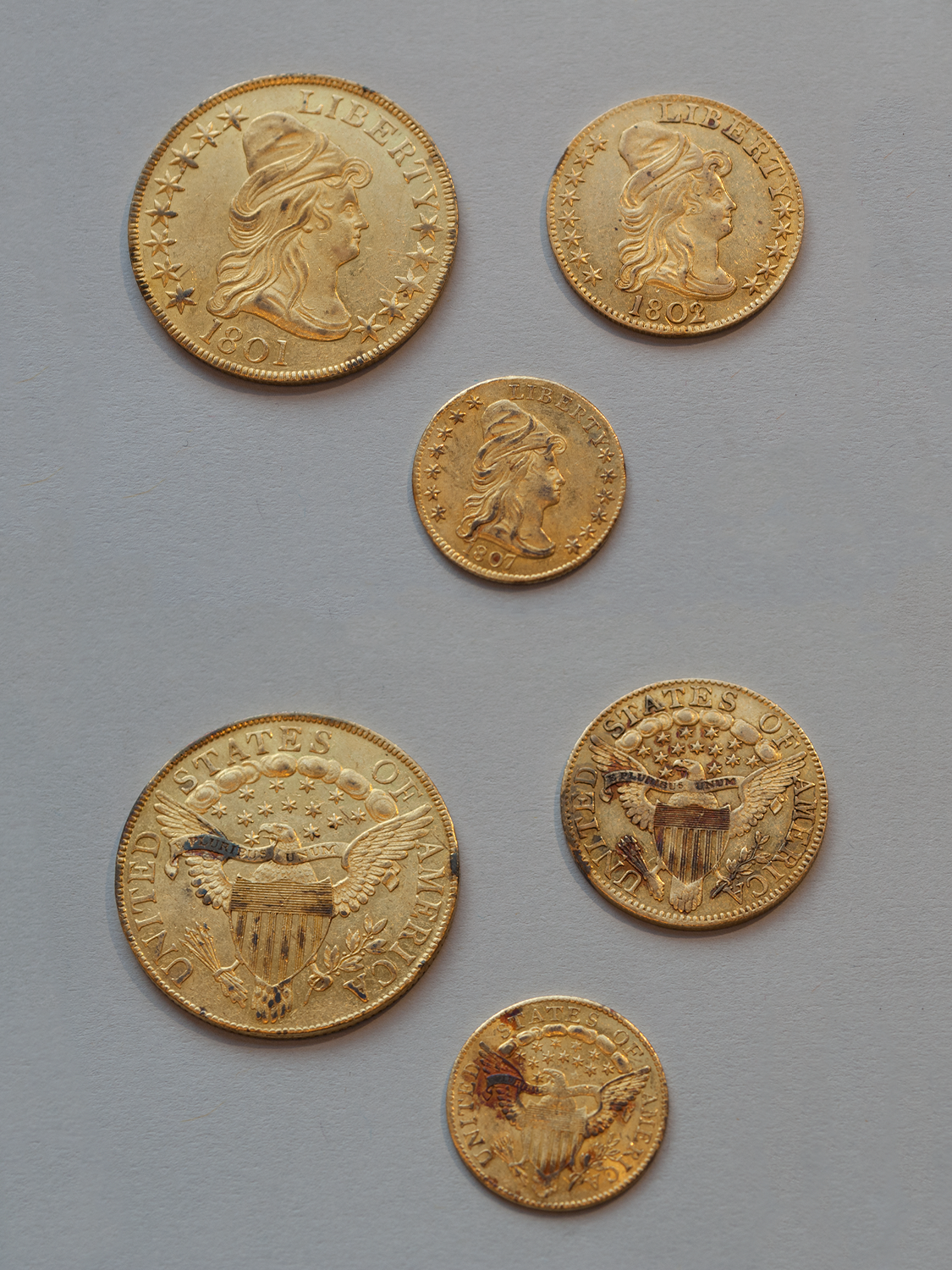
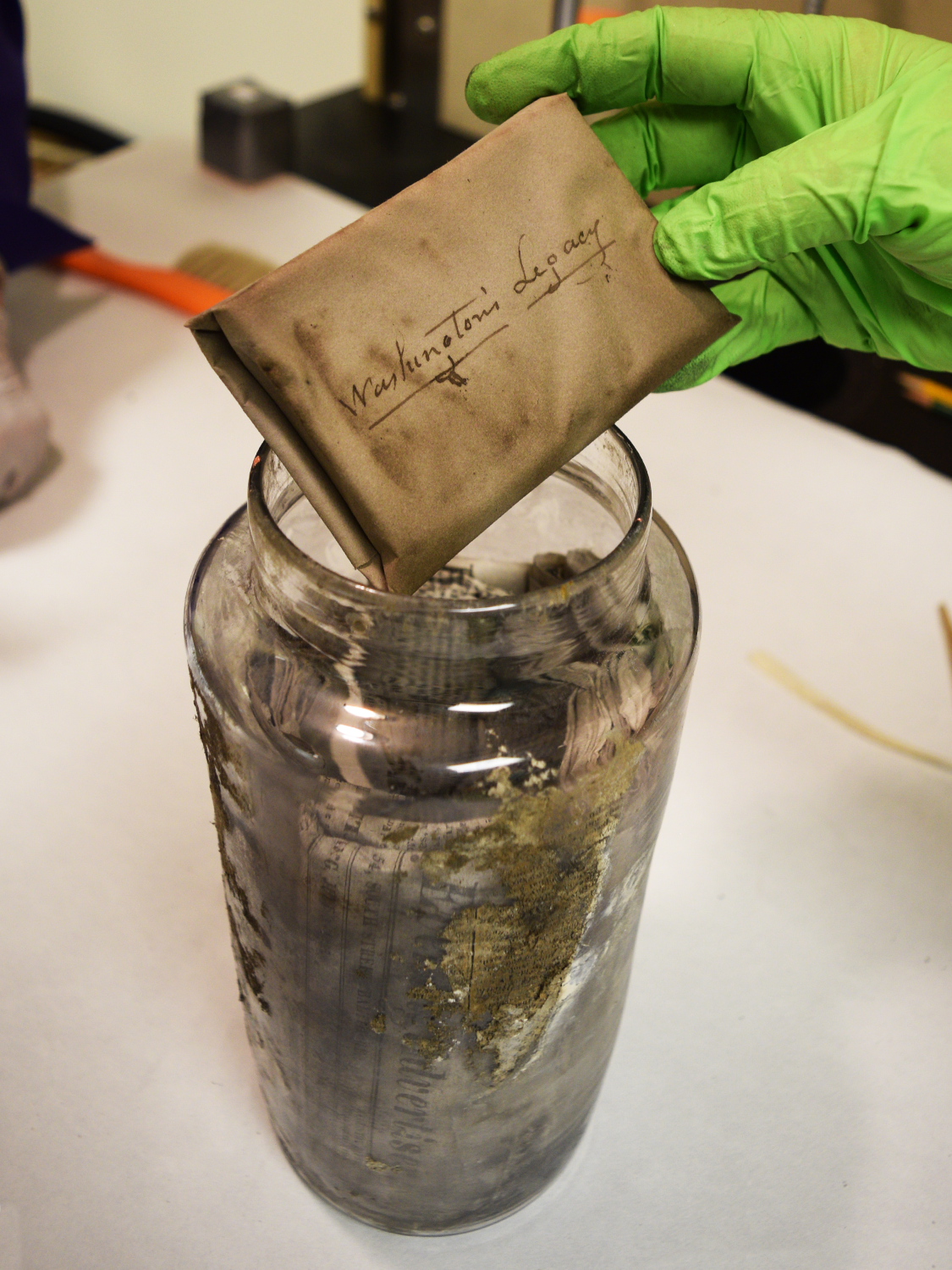
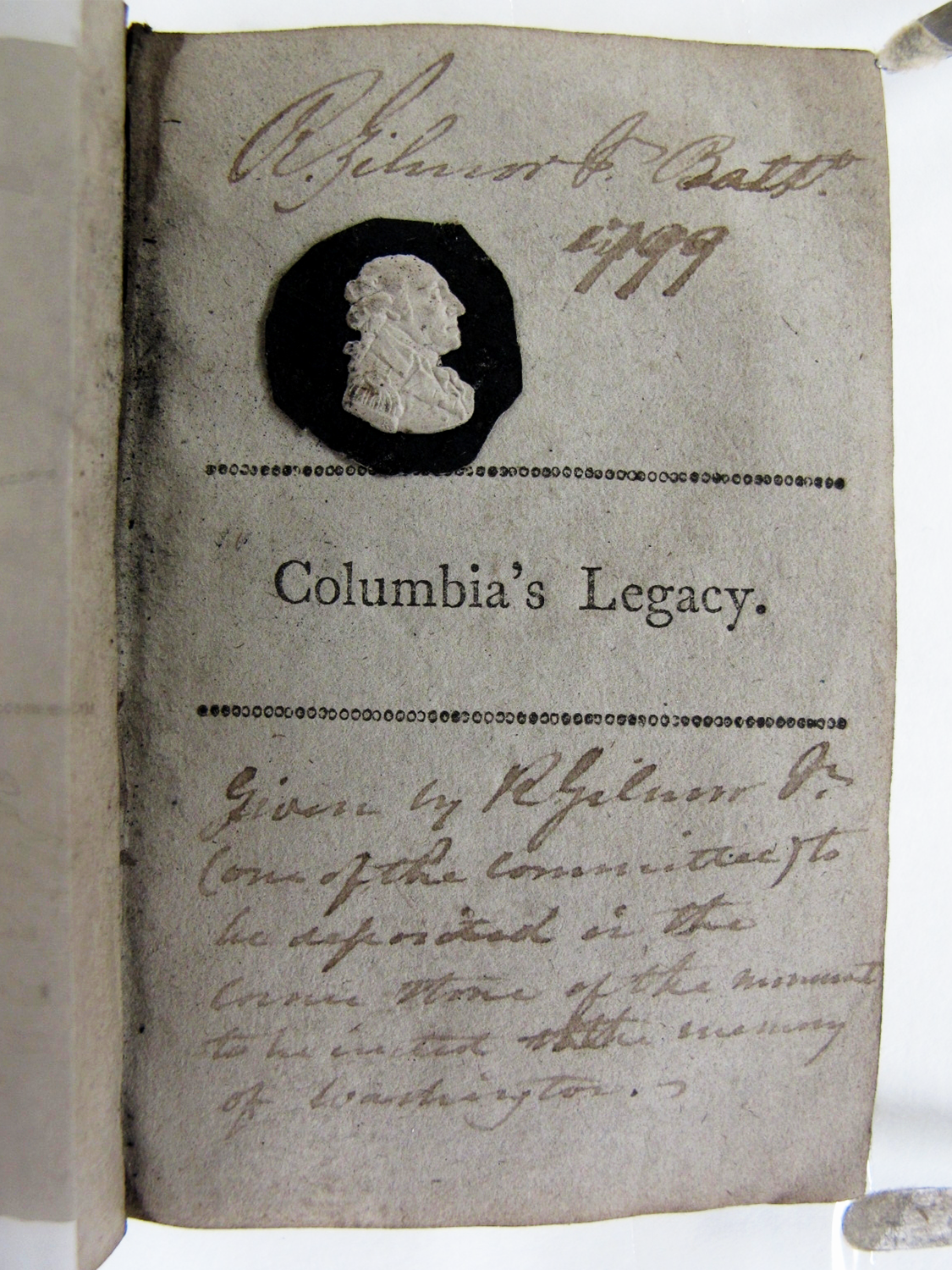
The largest, cork-sealed jar held the items mentioned in 1815 accounts: newspapers, ten pieces of U.S. copper, silver, and gold coinage, a Sansom Washington medal, a Duke of Wellington medal, and Columbia’s Legacy (Washington’s Farewell Address, Philadelphia, 1796, by Sweitzer and Ormrod, a gift from Robert Gilmor, Jr., which included a small Washington profile). Also included, though unmentioned in accounts, was The Diamond Songster (Scottish song lyrics, Baltimore, 1812, by Fielding Lucas, Jr.).
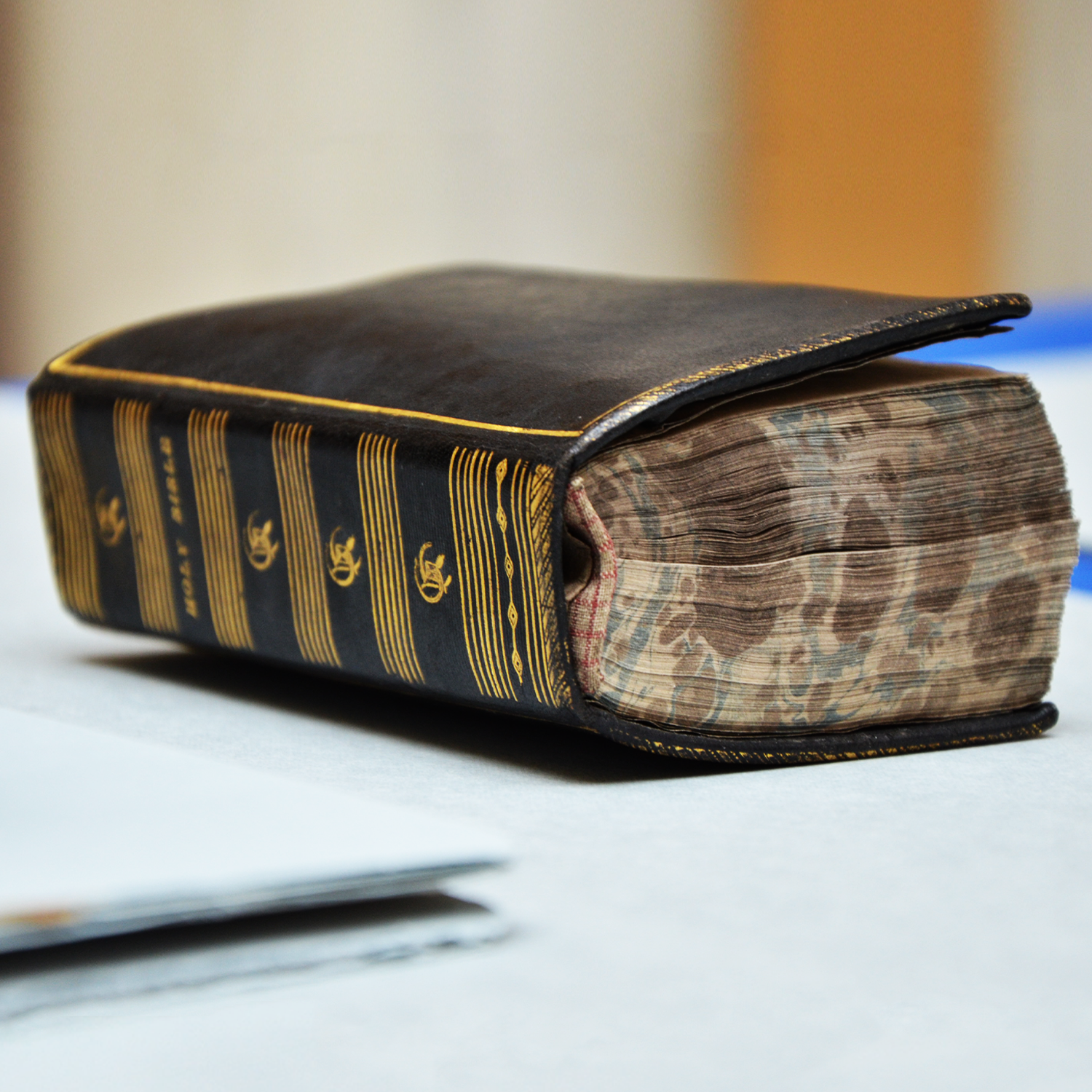
A second, lidless jar contained newspapers and a copy of the New Testament (Baltimore, 1811, by John Hagerty, contributed by Edward J. Coale).
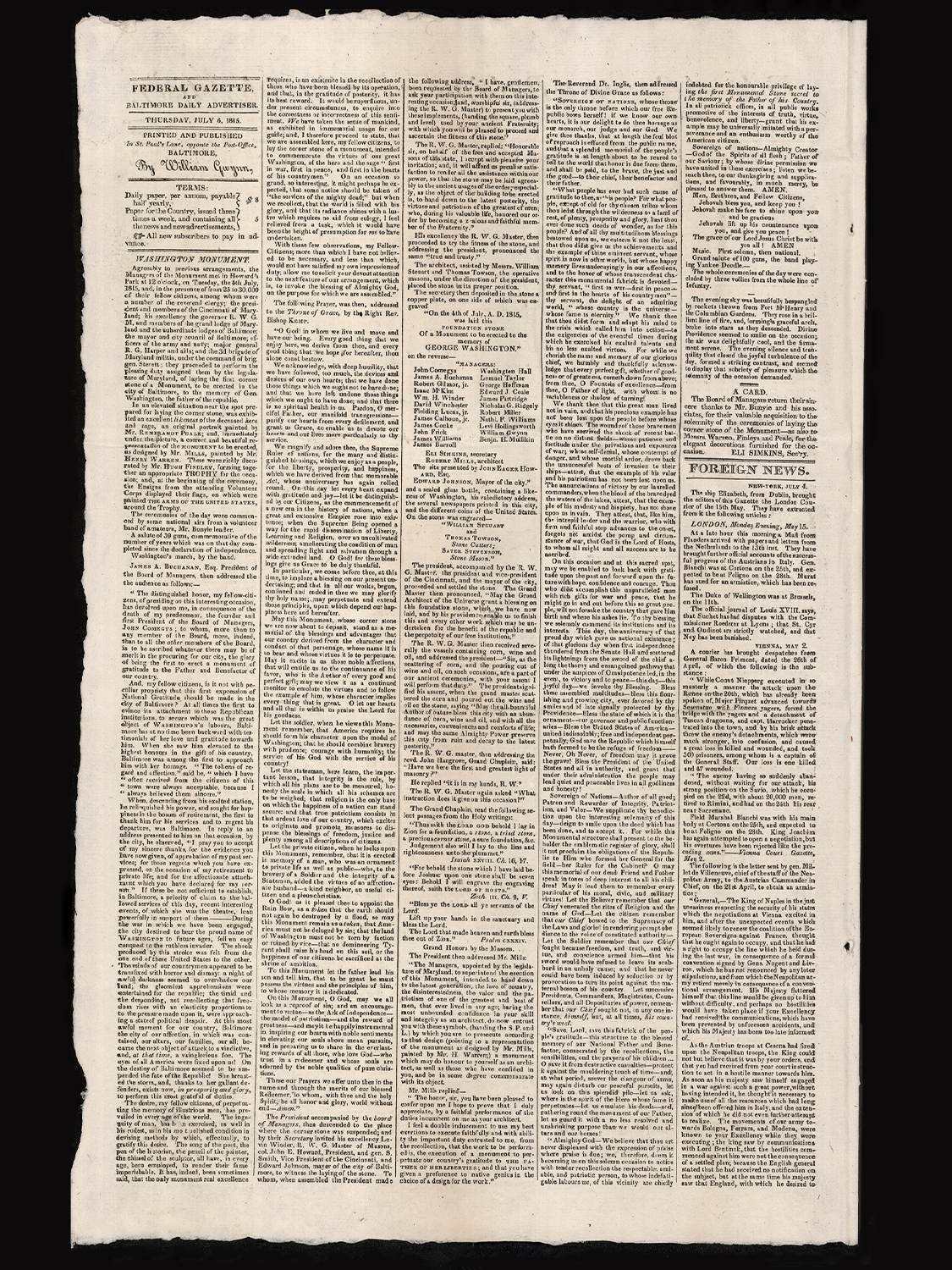
A third, smaller jar with a glass lid held July 5 and 6, 1815 editions of the Federal Gazette reporting the ceremony, likely contributed by publisher William Gwynn, who also included a Saint Memin profile likeness of himself and a broadside of his Lanvale cotton factory.
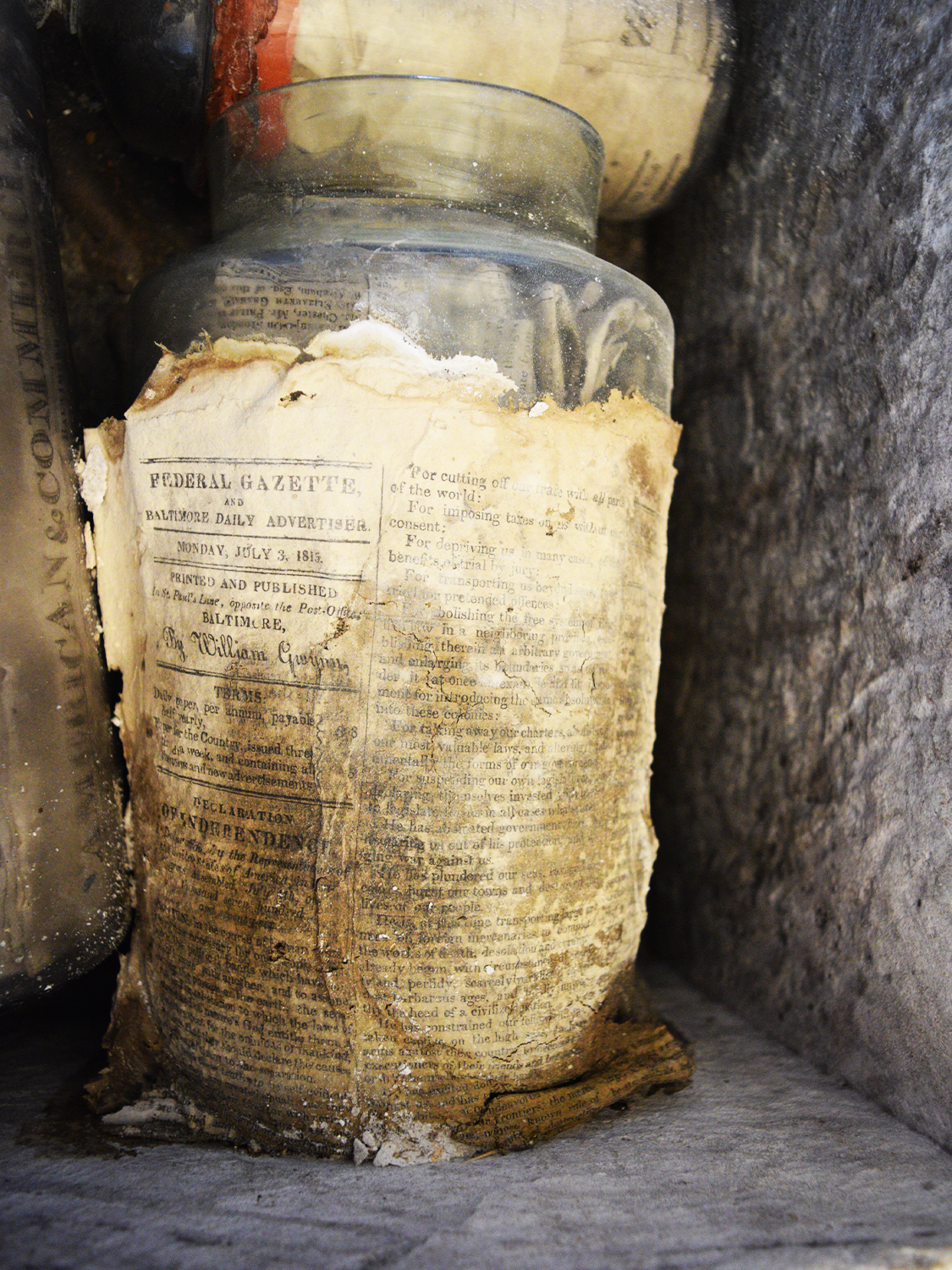
Resting on the second jar was a copy of the Declaration of Independence printed in the Federal Gazette, July 3, 1815.
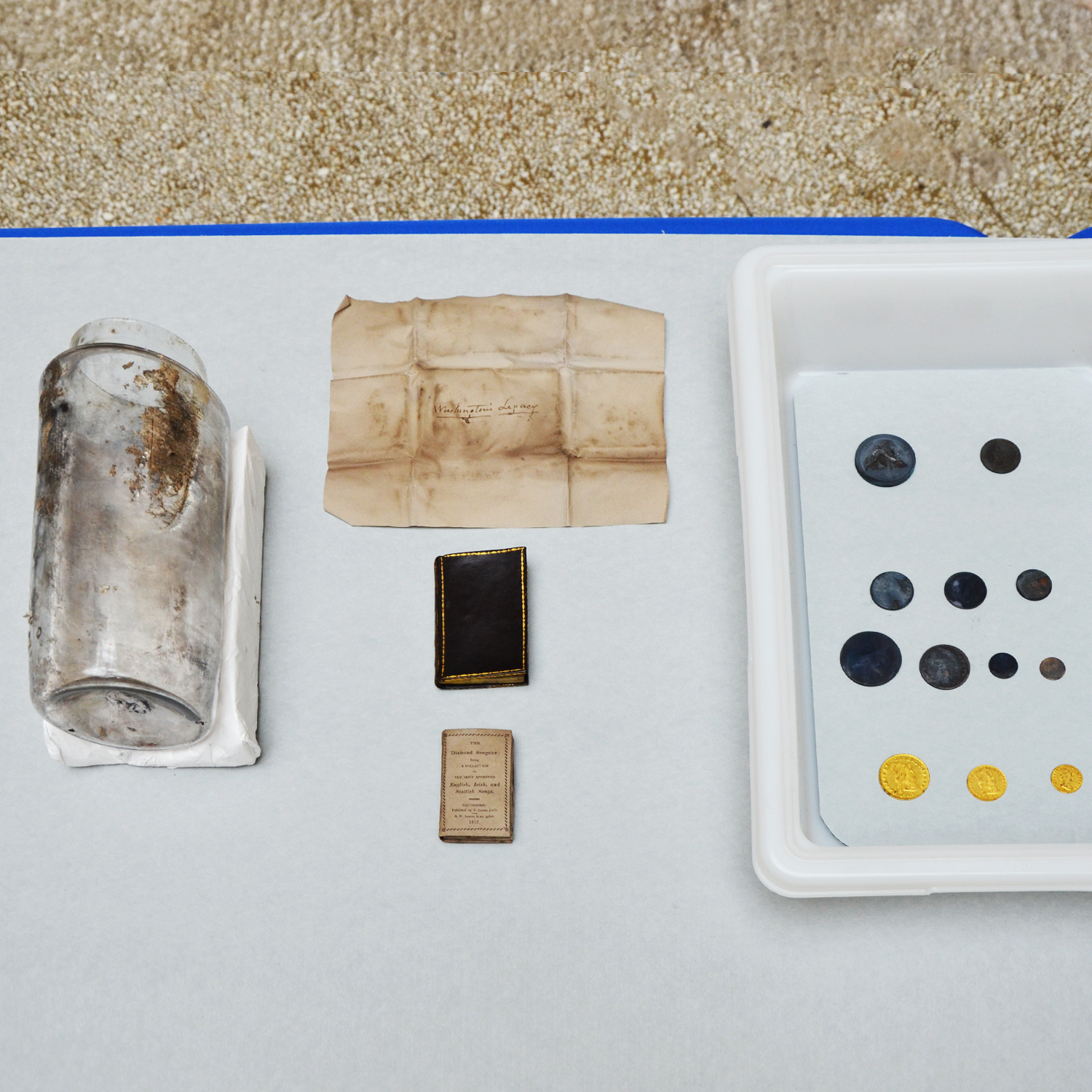
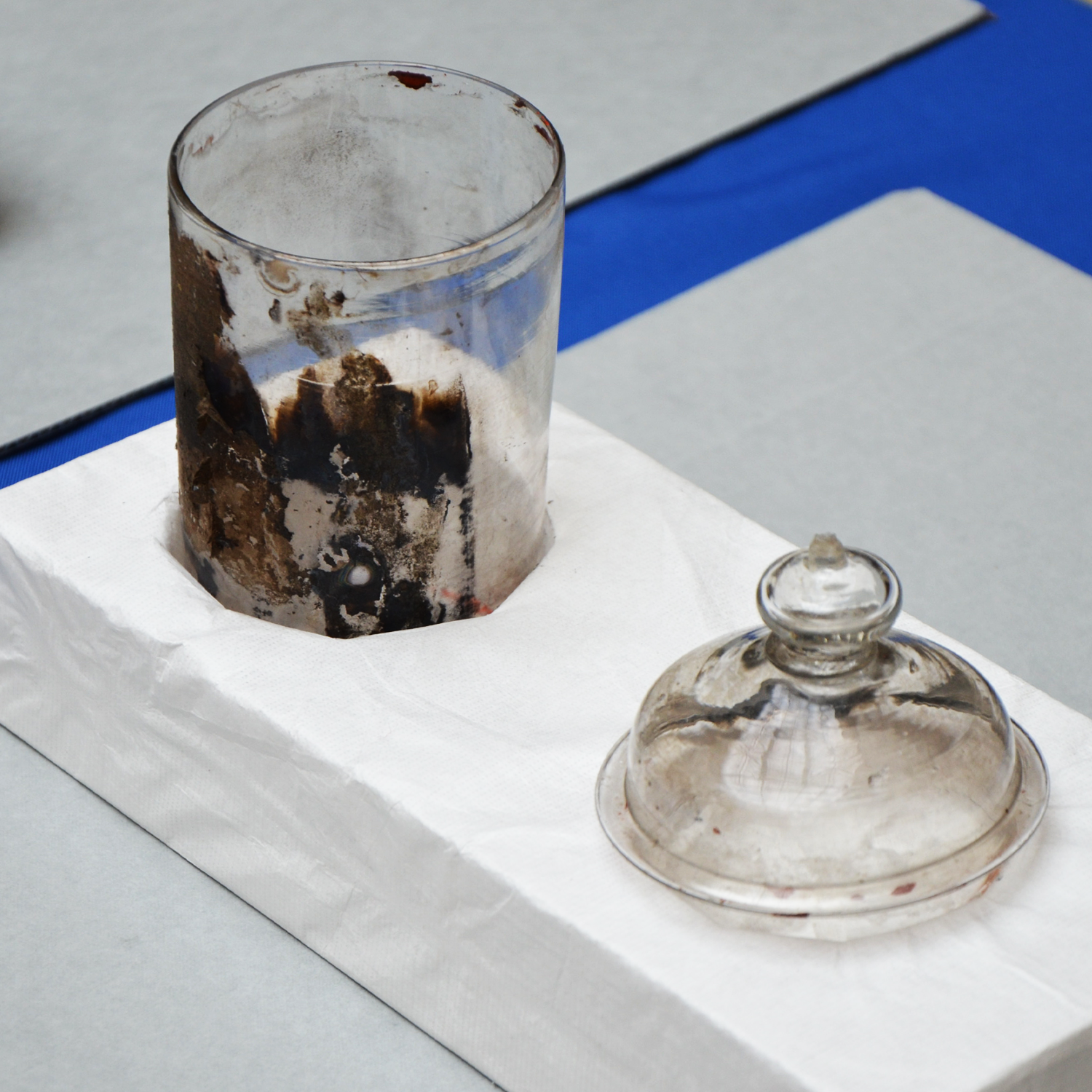
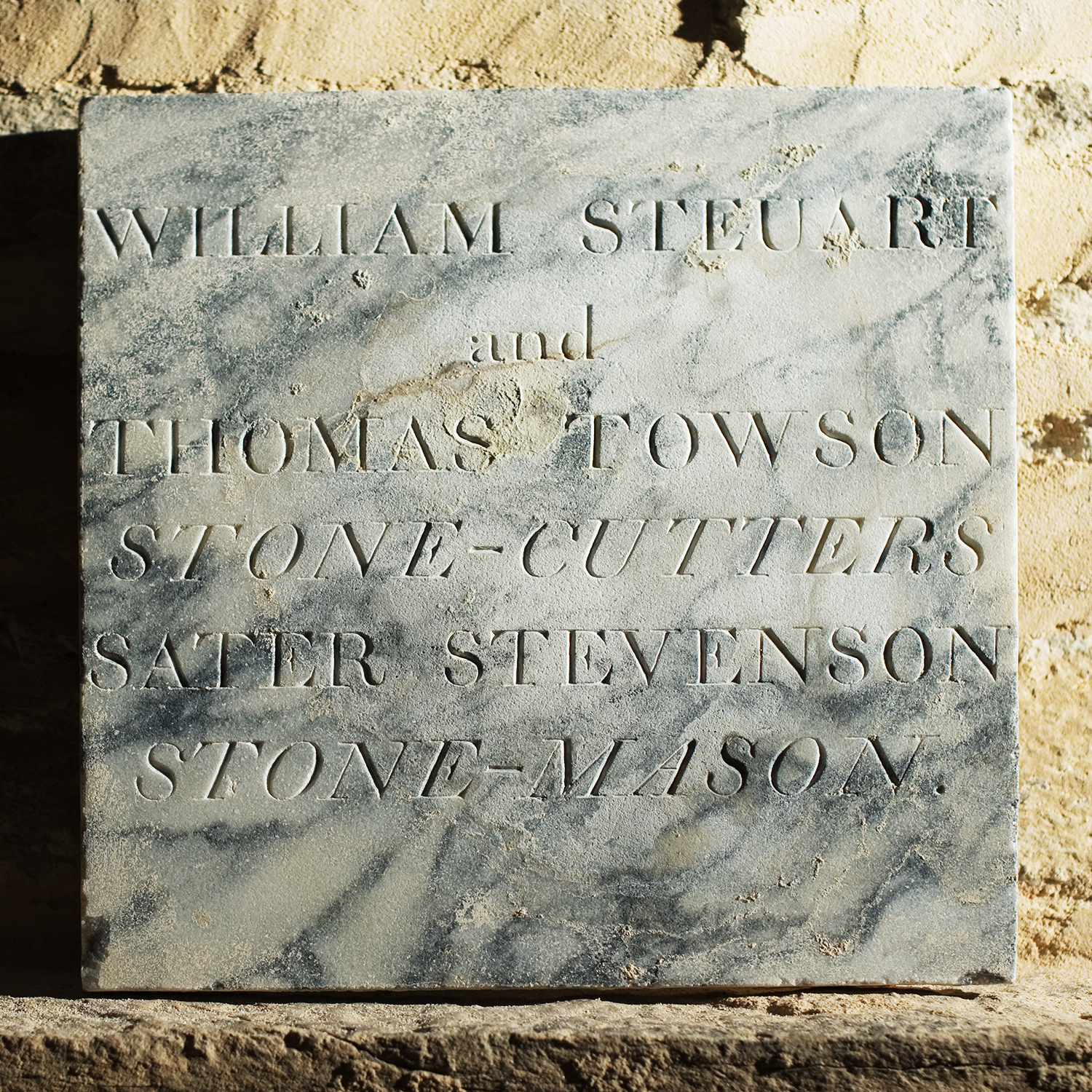
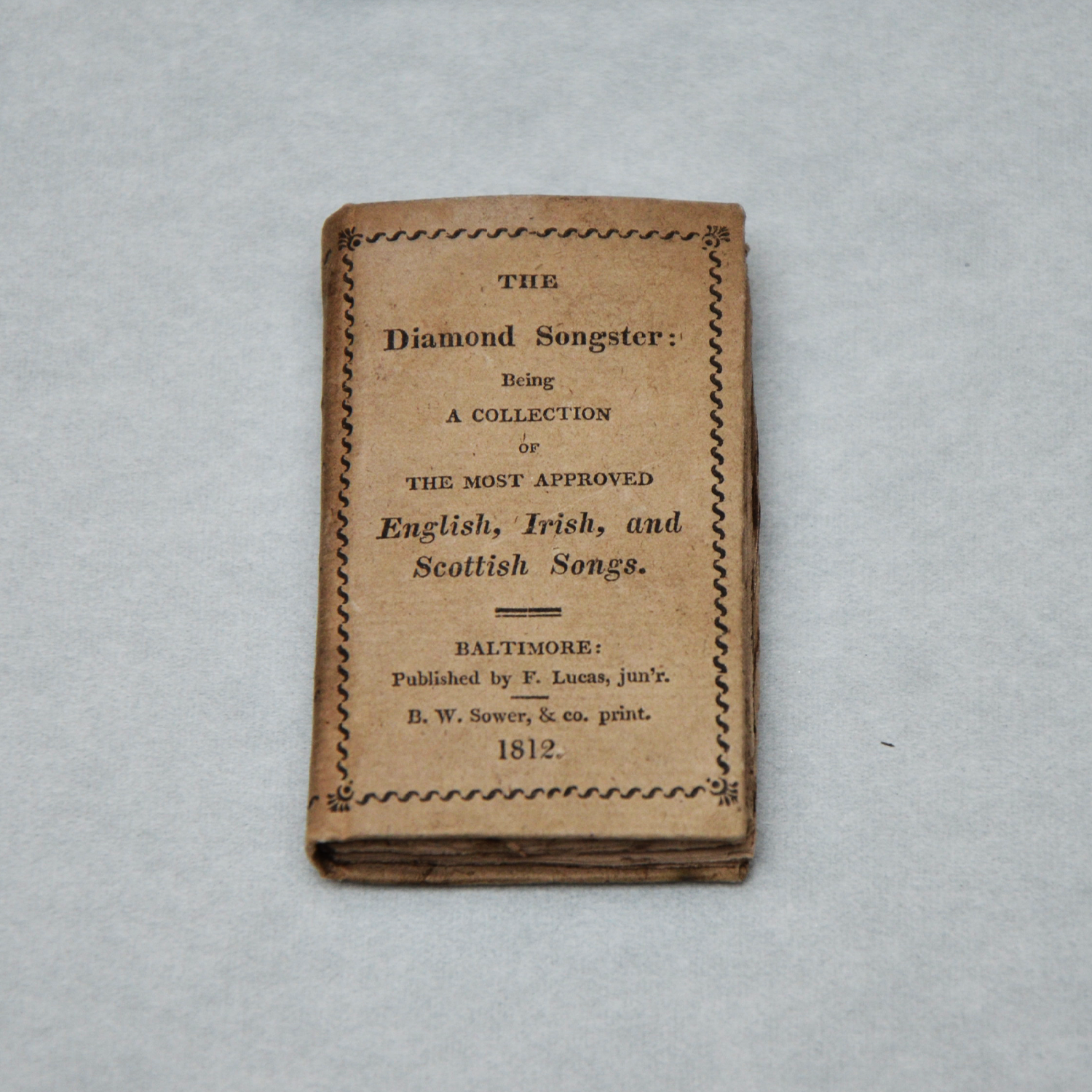
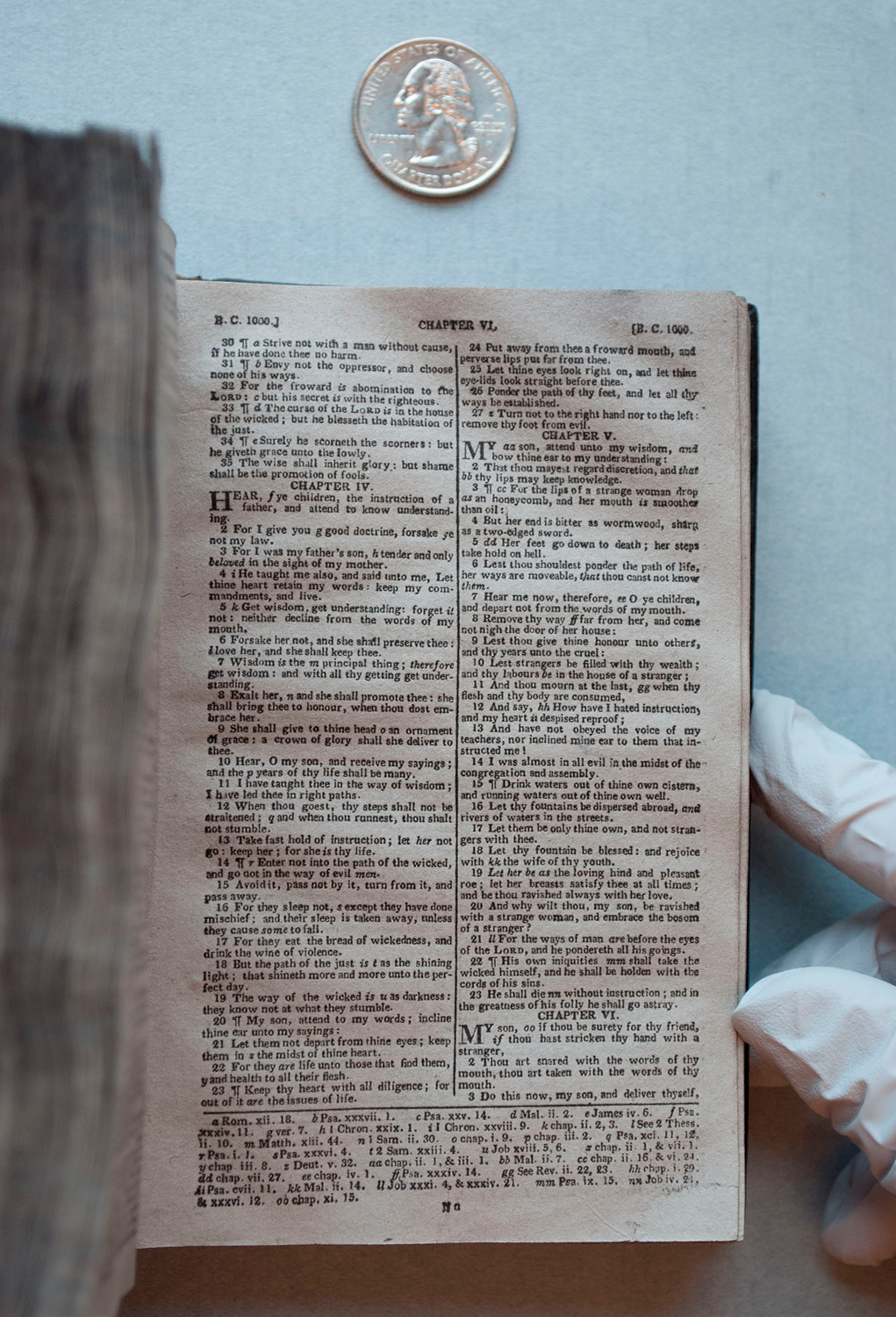
Due to preservation concerns, the original contents of the cornerstone were not replaced.
Instead, documentation including accounts of the opening, an inventory, and disposition reports were officially filed with both the Commission for Historical and Architectural Preservation of Baltimore and the Maryland Historical Trust.
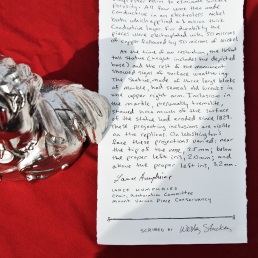
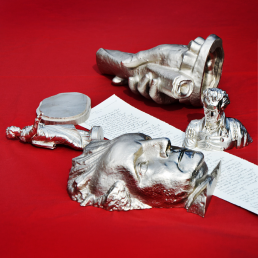
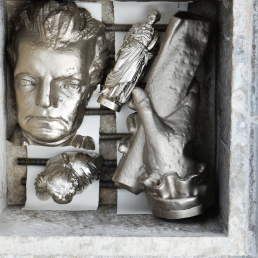
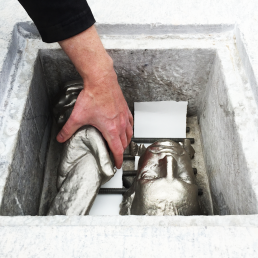
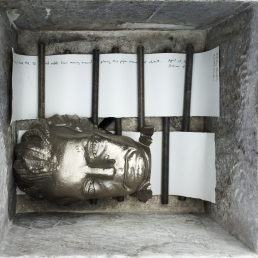
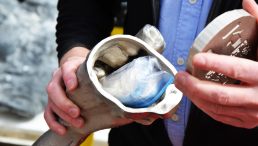
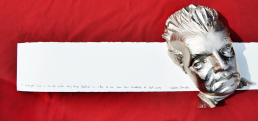
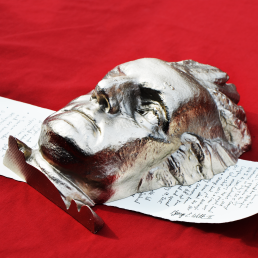
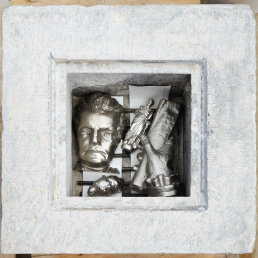
In April 2015, when the cornerstone was resealed, modern “likenesses of Washington” were included. These were reduced-scale replicas of the statue, created using a process involving laser scanning and 3D printing (additive manufacturing).
The 3D scanning of the statue took place while the monument was scaffolded. Direct Dimensions of Owings Mills performed the scan at approximately 1 mm resolution .
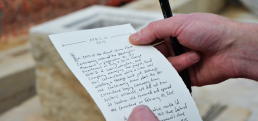
In 2015, we were commissioned to officially document the Mount Vernon Place Conservancy’s Executive Director’s written history of the monument.
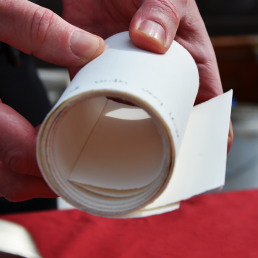
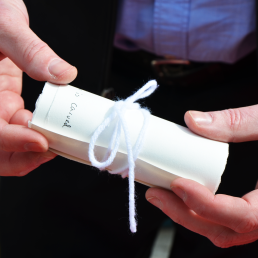
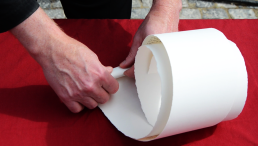
To ensure the monument’s 2015 accounts could be verified in over a century, the official document was deliberately handwritten by a third party. This process safeguarded against any textual manipulation at the moment the cornerstone was sealed.
Rather than emulating the formal scripts common in historical documents, we consciously chose a style reflecting everyday, casual handwriting of 2015. This decision was made to present an authentic example of average penmanship, devoid of pretense, representative of a typical neighbor to the monument.
The handwriting was executed using black India ink pens on pH-neutral cotton rag paper. The final scroll measured 4.5″ x 44″, perfectly sized to fit within the 3D-printed hand of George Washington.